




The Harley 131 engine is a legend. With its 122 horsepower and over 130 lb-ft of torque, the engine is a real machine in the world of motorcycles. But it still comes with its share of problems and I will tell you more about them in this article.
The Harley Davidson 131 engine is still available new from the manufacturer as a crate engine. This shows that bike owners respect this technology and are ready to pay thousands to have it new in their bikes!
When it comes to common problems of the 131 engine, I would consider hard starting, overheating, oil leaks, and some electrical problems. Let's look closely at each of these.
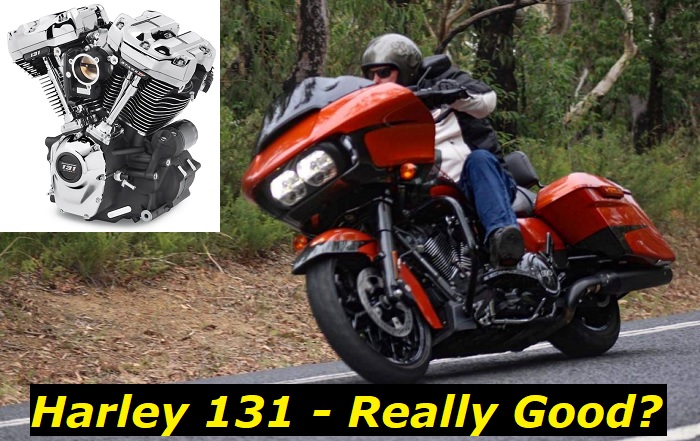
1. Hard starting
This engine overall won't start as promptly as some new ones. It requires some cranking time. Also, it may need several attempts to start because of a somewhat faulty throttle position sensor. It sends wrong readings and the system can't supply the proper fuel supply.
If you have this issue, you should pay attention to the throttle body. I've seen them being damaged despite of low mileage. But the sensor is still one of the most common culprits.
2. Temperature problems
The engine is pretty hot - it generates more heat than its competitors. The 131 engine is considered to be a performance-oriented unit with high power from just 131 cubic inches. It means that when you go in the city, in the stop-and-go traffic, you may face issues with overheating.
If this is not spotted on time, you may eventually kill the engine. Its head will lose its shape and the entire engine will require replacement. Also, overheating leads to other issues that potentially kill this engine. So, be careful and better stop if you see the engine overheating.
3. Oil leaking problems
This engine is oil-cooled which means the proper oil circulation is extremely important. And then there is a common issue with the oil cooler that may affect the longevity of the machine.
But there are also other issues with the oil leaks. Leaking oil is not uncommon for the 131 engine and it may not sound dreadful at first. But when you think that the engine is oil-cooled and the leak can lead to low oil levels, things get much more serious.
You should find and cope with the leak reasons promptly.
4. Electrical issues
This is not a very up-to-date engine but rather a classic machine and it shouldn't develop a lot of electrical issues. But it does. There are several electronic modules that can fail and lead to other issues with the engine.
Fortunately, the electrical system of the 131 engine is not that complicated, so, in most cases, owners may locate and deal with the issues on their own.
How to prevent issues?
If you want to drive your 131 engine for a much longer time, you should think about the following:
- oil should be changed according to requirements or even more often;
- the oil level should be checked regularly, this is super important;
- if the engine overheats, you should immediately stop driving and let it cool down;
- don't ignore oil leaks - high oil pressure can make any leak fatal;
- learn to diagnose simple issues to avoid spending money on shops all the time;
- don't overrev the engine, it hates working at high revs for a long time.
If you just follow these tips, you will be able to avoid almost all common issues that may happen with your 131 engine. But remember that once you have a problem with this engine, you should locate and repair it. Otherwise, you can easily kill the engine and will have to spend thousands on the new one.
About the authors
The CarAraC research team is composed of seasoned auto mechanics and automotive industry professionals, including individuals with advanced degrees and certifications in their field. Our team members boast prestigious credentials, reflecting their extensive knowledge and skills. These qualifications include: IMI: Institute of the Motor Industry, ASE-Certified Master Automobile Technicians; Coventry University, Graduate of MA in Automotive Journalism; Politecnico di Torino, Italy, MS Automotive Engineering; Ss. Cyril and Methodius University in Skopje, Mechanical University in Skopje; TOC Automotive College; DHA Suffa University, Department of Mechanical Engineering



Add comment