




Off-roading is a great pastime for those with rugged cars and a love of adventure. There's nothing quite like pushing your car to the limit and taking it off the road to explore. But safe off-roading requires some skills and knowledge. That's why it's important to know your car's drive modes. You'll also need to know when to use them.
AWD is a drive mode that lets the engine power all of the car's tires at once. The transmission's differential will allow the tires to move at different speeds, which improves cornering when moving at speed. AWD lock locks the differential and keeps all of the tires moving at the same speed. This improves traction and is useful on uncertain terrain.
In this article, we'll take a deeper look into how AWD lock works. We'll also look into its limitations and when you should use it. Then we'll share some important and valuable off-roading tips.
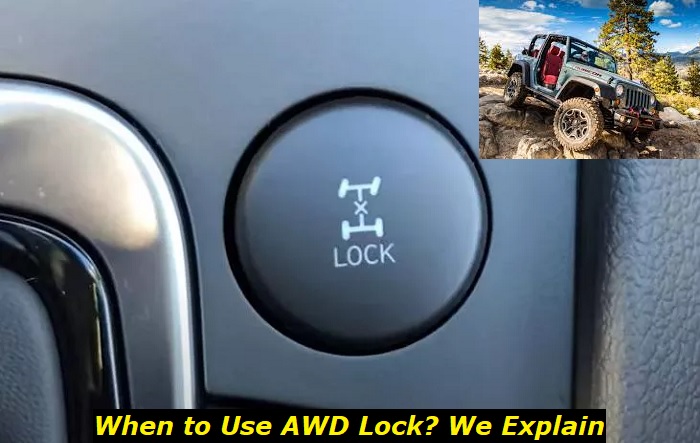
What is AWD Lock?
All-wheel drive (AWD) sends the engine's power to all of the car's wheels. AWD uses a variable connection and can change the power delivered to each wheel on the fly. This allows the car to corner more effectively. It's generally more useful in situations where the car is going to be moving or maneuvering at a higher speed.
AWD lock, or all-wheel drive lock, means that the car is using AWD with the differential lock activated. The differential lock is a system that forces both wheels on an axle to move at the same speed.
Putting it simply, an AWD lock means that all four wheels are now receiving the same amount of power. This has significant effects on the vehicle's movement, by maximizing and equalizing the torque at each wheel. It also provides each wheel with optimal traction, improving the vehicle's footing. AWD lock definitely has its advantages, but it's not suitable for all driving conditions.
When Should You Use AWD Lock?
AWD Lock is ideal for situations where your car needs to move slowly. It is particularly useful in uncertain terrain when you need to maximize the torque output to each wheel. This makes it ideal for getting you out of mud, sand, snow, and other loose surfaces.
AWD Lock provides more grip than the auto mode, so it's perfect for situations where your car has a chance of slipping or sliding. This means AWD Lock is great for climbing up steep or slippery hills.
Since AWD lock is best suited for slow driving and maximizing torque, it's not ideal for high-speed scenarios. If you're looking to drive on the highway or tear down a rough patch of terrain, your better off sticking with AWD auto.
Off-Roading Safety and Driving Tips
Off-roading is a lot of fun, but it needs to be done carefully. It isn't as easy as just turning off the street and driving down dirt roads into the wilderness. You'll need to come prepared with certain equipment and skills before you hit your first trail.
This guide has valuable tips that you'll need before setting out on your own off-road adventure.
1) Keep Your Clearance in Mind
This depends on where you're planning to drive, but you should be fully aware of your car's ground clearance. If you approach obstacles that are higher than your clearance, you could end up causing damage to the underside of your car. Few things ruin a fun afternoon faster than the bone-jarring crunch of a rock smashing your exhaust system.
Another reason to keep clearance in mind is to avoid getting stuck. Crawling over rocks without understanding your car's approach angle and clearance is a good way to end up with your car perched on a boulder with its wheels off the ground.
2) Bring the Right Equipment With You
You'll need more equipment than just your car and your adventurous spirit when you go off-roading. You'll have to bring the right gear to help you tackle obstacles in your way. You'd be surprised by how much the road seems to open up when you're well-prepared.
The equipment you'll need will depend on where you're going and what you're planning to do. You might need a winch, extra tires, or recovery tracks for when you lose traction and get stuck.
An air compressor could help you inflate your tires when they lose pressure, and a jack could lift your car when you need to install a spare. Preparing could be the difference between a fun weekend and a ruined trip.
3) Prepare for Emergencies
Nobody wants to get into an emergency, but accidents happen. Off-roading is a fun, but dangerous pastime. It's also usually done in remote or hard-to-reach areas, where it could take a while for help to reach you if something goes wrong.
Make sure you always have your emergency kit with you when you're off-roading. Being well-prepared could save your car, or even keep you safe while you wait for help.
- Extra food and water
- Long-range walkie-talkies for you and your partners
- Extra fuel
- A spare tire and tools for a tire change
- Fire extinguisher
- A first aid kit
- Tools for repairs
- Warm clothes
- A flashlight and lantern
These items are a good start for an emergency kit, but you might need additional gear depending on the environment you'll be off-roading in. Always keep the conditions you'll be facing in mind when preparing for a trip. You can ask experienced off-roaders for more suggestions.
4) Don't Overload Your Car
Try not to go overboard when packing for your trip. Remember that your car has a weight limit, and it's not in your best interest to go over it. Off-roading might be fun for you, but it's a pretty stressful time for your car, mechanically speaking. While your car can probably take the stress, it's a different story once your vehicle is overweight.
Make sure to watch the weight of your car and the gear you pack to avoid going overweight. This will keep your suspension, engine, and chassis safe from undue damage. More importantly, it will keep your car from breaking down somewhere that a tow truck can't reach you.
Speaking of weight, you also need to consider balance. Make sure to load your car evenly. This way you don't upset the car's center of balance, so you won't tip over easily.
5) Use the Right Tires
Tires are important, no matter where you're driving. If you're going off-road, having the appropriate tires is crucial. The size and tread of your tires are important in climbing over large obstacles or preventing your vehicle from slipping down hills. Investing in a good set of off-road tires will keep you moving with reliable traction and sure footing.
If you're still planning on using your car regularly on the road, you can invest in some all-terrain (AT) tires. AT tires are built with hybrid tread patterns that provide great traction both on and off the road.
6) Don't Overinflate Your Tires
Good tire pressure is important, but sometimes that means letting a little air out of them. When it comes to off-roading, it's recommended to use your tires with less pressure than normal. This lets the tire deform more than usual, allowing it to wrap around obstacles and terrain. This boosts your traction.
When your tires are underinflated, more of the tire is in contact with the ground, increasing your wheel's traction patch. This is important with off-road tires. If you look carefully at these tires, they have some tread on the edge of the sidewall, which touches the ground to provide extra traction when the wheels are used with lower pressure.
7) Have a Partner
Most off-roading experts recommend that you never go off-roading alone, and for good reason. If your car gets stuck in a tough spot, you'll need to be pulled out, and an ordinary tow truck probably isn't going to cut it. You'll need another off-road capable vehicle to attach a tow rope to your car's recovery points to get you out.
Having an experienced friend is also handy because they can act as a voice of reason. They can stop you from tackling obstacles that you're not ready for.
Verdict
AWD lock is a drive mode made for situations where you need to move slowly and maximize your torque. This provides more traction and helps your car climb hills and navigate slippery terrain.
AWD lock isn't suitable for moving at high speeds. If you're going to be moving fast or doing some highway driving, you should use AWD auto instead.
Before you take your car off the road and start tackling difficult terrain, make sure to prepare appropriately. Know your car and its limitations, and avoid terrain that your car can't handle. Pack the gear that you'll need for the area you're exploring, and stay prepared for emergencies.
You should also prepare to drive with a friend or partner that can pull you out if your car gets stuck. Never go off-roading alone, especially in unfamiliar locations.
Have fun while off-roading, but remember to follow this guide and stay safe!
About the authors
The CarAraC research team is composed of seasoned auto mechanics and automotive industry professionals, including individuals with advanced degrees and certifications in their field. Our team members boast prestigious credentials, reflecting their extensive knowledge and skills. These qualifications include: IMI: Institute of the Motor Industry, ASE-Certified Master Automobile Technicians; Coventry University, Graduate of MA in Automotive Journalism; Politecnico di Torino, Italy, MS Automotive Engineering; Ss. Cyril and Methodius University in Skopje, Mechanical University in Skopje; TOC Automotive College; DHA Suffa University, Department of Mechanical Engineering


Add comment